ABPI Newsletter - Edition 80 - April 2026

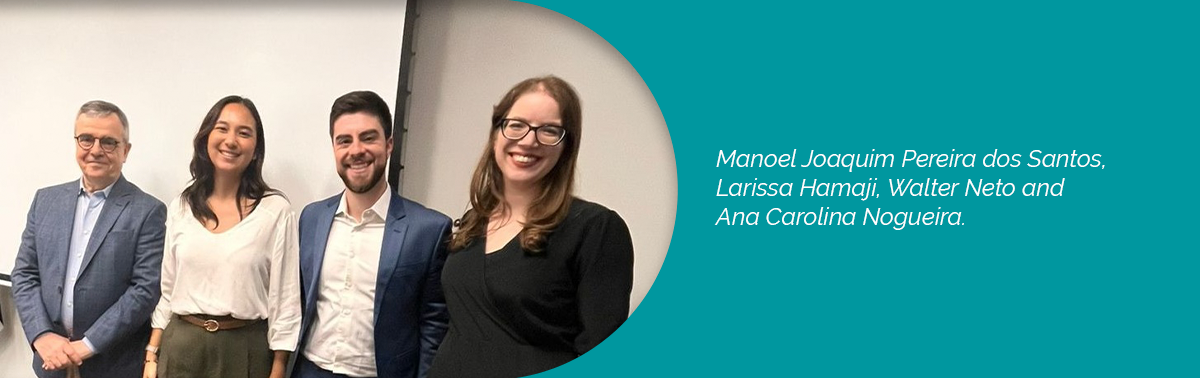
Extrajudicial dispute resolution methods are increasingly being used in disputes involving cloud software, according to attorneys Walter Neto and Larissa Hamaji, from the litigation team at Oracle, during the debate “Cloud Licensing and Software Dispute Resolution,” held on April 16 by the Center for Intellectual Property Dispute Resolution of ABPI (CSD-ABPI), in partnership with the IASP.
The event featured an opening presentation by the President of CSD-ABPI, Manoel J. Pereira dos Santos, and was moderated by Ana Carolina Nogueira, Vice-President of the Intellectual Property Committee of IASP.
In their presentations, Neto and Larissa highlighted the main sources of disputes in cloud software, namely the predominantly utilitarian approach, customer expectations, and technical complexity. They estimated that, in the future, there will be a third category of disputes involving Artificial Intelligence in corporate applications. According to the speakers, the Brazilian Judiciary still lacks a full understanding of the cloud model and often overlooks the Intellectual Property embedded in the service.
In his opening remarks, the President of CSD-ABPI presented a historical overview of the evolution of software protection legislation in Brazil, the development of case law regarding copyright infringement, and addressed extrajudicial alternatives for resolving such disputes.
Pereira dos Santos confirmed that disputes are increasingly being resolved through mediation, arbitration, and other mechanisms, such as expert determination. According to him, this trend results from several factors, especially the fact that the judicial system is costly, slow, and inefficient, disputes have become highly complex, and cases involve technical issues that require specialist participation.